

One of the most important components in a solar energy system is the inverter, which converts the direct current (DC) generated by solar panels into alternating current (AC) and ensures its use in daily consumption. In addition to conversion, the inverter monitors system operation, protects it from overload, and ensures efficient energy use.
Correctly selected inverters determine the system’s efficiency, stability, and safe operation. Modern inverters also provide real-time generation monitoring and system management.
Types of Inverters
Several main types of inverters are used for solar energy systems, differing by function and field of application:
- On-Grid Inverter – Works with the central grid and is characterized by high efficiency. This type of inverter is ideal for homes and businesses.
- Off-Grid Inverter – Used in systems without a grid and works with battery-integrated systems, ensuring energy storage.
- Hybrid Inverter – Combines both systems — working with both the grid and batteries. It provides backup power and energy independence.
How to Choose the Right Inverter
The right inverter must match both the capacity of the solar panels and the energy consumption of the facility. When choosing, it is important to consider:
- Total system capacity
- Grid type
- Battery requirements
- Possibility of future expansion
- Monitoring and automation functions
Correctly selected inverters increase system productivity and reduce the risk of technical problems. The inverter is essentially the “brain” of the solar system, which controls each process and determines how effectively your system will operate daily.
Contact Us
If you want high-quality inverters and a correctly selected technical solution for your solar system — contact us and receive a professional consultation.
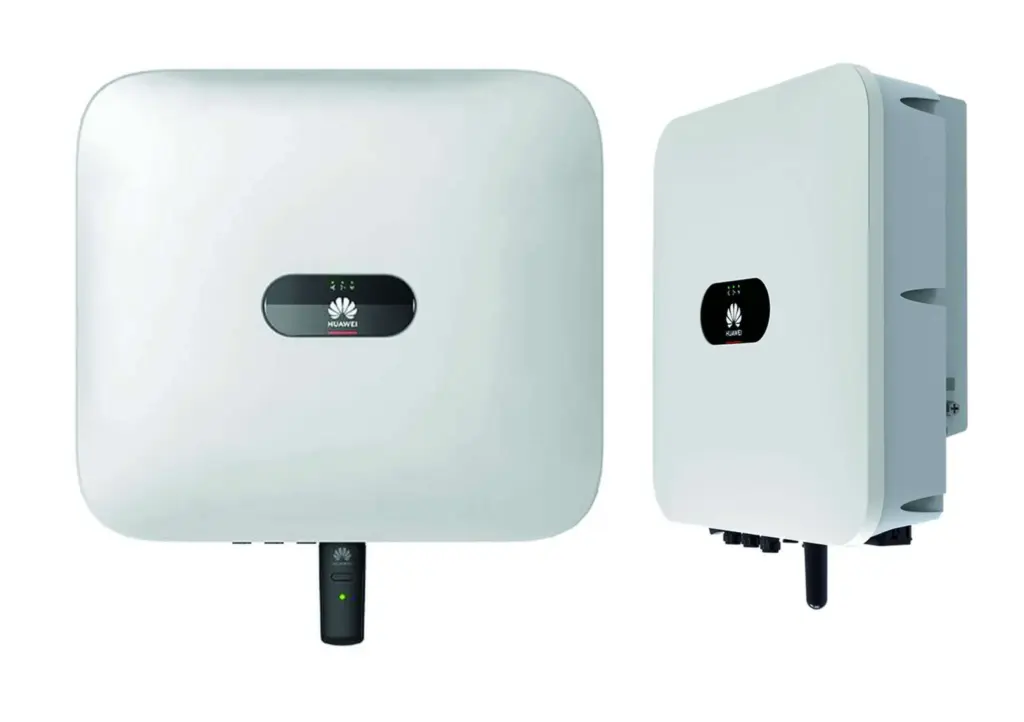
Technical Characteristics
Quality inverters should be selected based on system capacity, load type, and energy consumption. For the right choice, technical parameters are especially important.
The main technical characteristics of inverters are:
- Capacity — Determines how much load the inverter can manage.
- Efficiency (%) — The higher it is, the less energy is lost during conversion.
- Number of MPPT Trackers — Improves solar panel performance under different lighting conditions.
- Single-phase or Three-phase System — Selected based on the facility’s network.
- Protection Mechanisms — For protection against overheating, short circuits, overloads, and voltage fluctuations.
- Monitoring Functions — Wi-Fi, app, or online platform to manage the system.
The main technical characteristics of inverters are:
Modern inverters are equipped with smart management functions, allowing the user to monitor energy generation, consumption, and the overall state of the system in real time.